
When Your Heart Wakes You
You wake suddenly in the middle of the night with your heart pounding. You may feel anxious, sweaty, or short of breath, without knowing what woke you. It’s reasonable to want an explanation. Anxiety, medications, thyroid conditions, and heart rhythm problems can all cause a racing heart. Your doctor should evaluate those possibilities.
At The Airway Dentists, we also want to understand what your breathing was doing just before you woke up. An interruption you don’t remember may help explain the symptoms you can’t forget.
The Breathing Connection
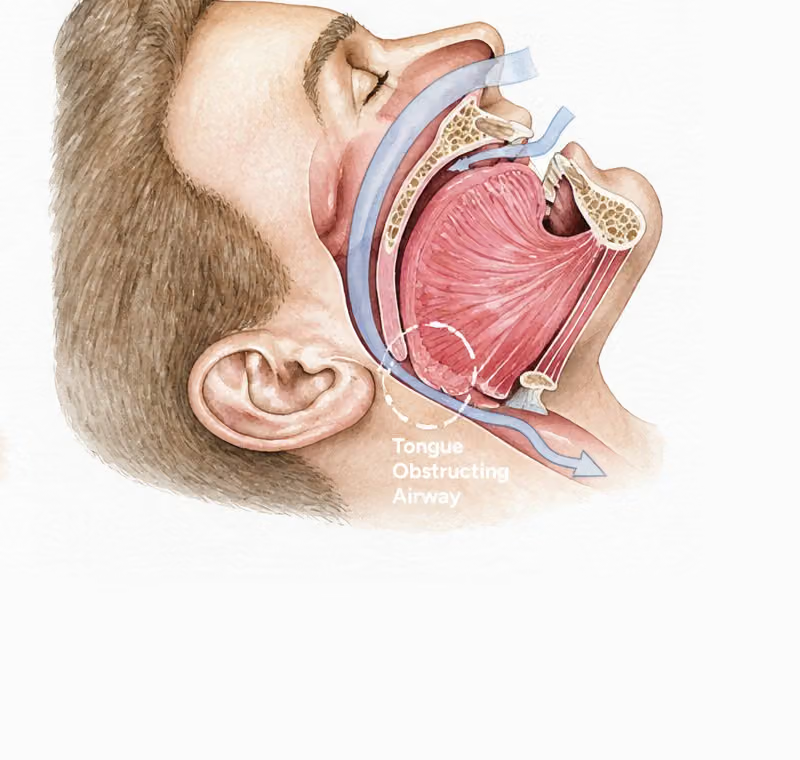
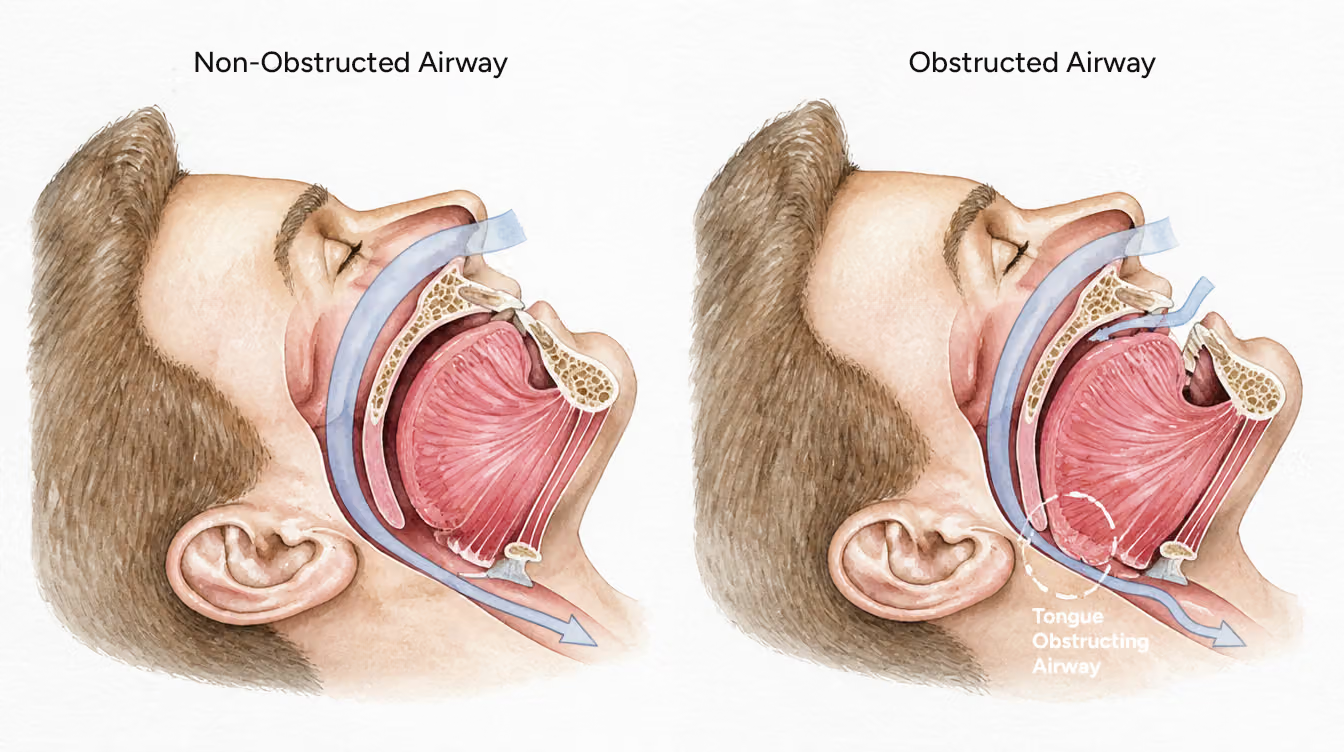
During sleep, the muscles that help keep your upper airway open relax. In some people, the tongue and surrounding tissues collapse to the back of the throat and partially or completely block airflow. When these episodes happen repeatedly, the condition is called Obstructive Sleep Apnea (OSA).
When breathing is interrupted, oxygen levels fall and your body activates its stress response. Your heart rate and blood pressure may rise as your brain wakes you enough to reopen the airway.
You may sleep through much of that sequence. The part you remember is waking with a pounding heart.
This connection matters because breathing during sleep affects the rest of the body. OSA is associated with high blood pressure and certain heart rhythm problems. When we evaluate your mouth and airway, we consider how they may be affecting both your sleep and long-term health.
When It Feels Like Anxiety
A sudden awakening with a racing heart can feel very similar to a panic attack. Anxiety may explain it, but interrupted breathing can produce some of the same sensations. If you’ve already been diagnosed with anxiety, a sleep evaluation adds useful information. Both conditions can be present.
The question I want to add is simple: How are you breathing while you sleep?
Continue the care recommended by your treating provider, and tell them if these episodes keep happening. Together, we can consider whether sleep testing would help clarify the picture.
Beyond Body Size
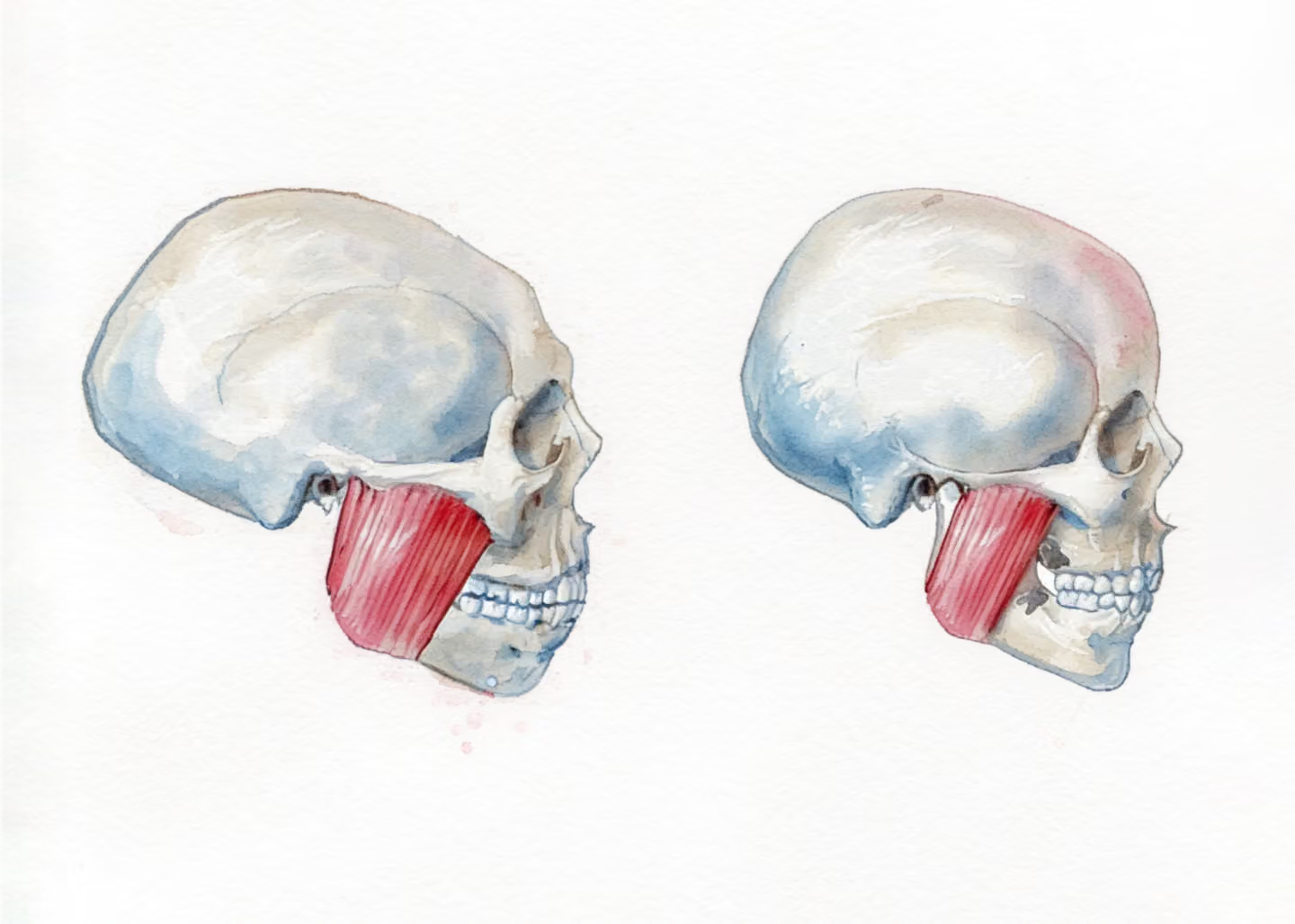
A common misconception is that sleep apnea only affects people who are overweight. Being thin or physically active doesn’t rule it out. Weight can influence airway space, but so can the size and shape of the jaw, palate, and surrounding tissues. A smaller jaw or narrow palate may leave less room for the tongue and contribute to restricted breathing during sleep.
That is why we consider your oral anatomy alongside your symptoms and health history. Body size alone cannot tell us whether you’re breathing well at night.
Snoring is a useful clue, but its absence doesn’t rule out sleep apnea either.
Other Sleep Clues
When we review your sleep, we want to hear about the details you may have come to accept as normal:
- Waking unrefreshed: You spend enough time in bed but still feel tired in the morning.
- Gasping or breathing pauses: You wake catching your breath, or someone notices pauses while you sleep.
- Frequent bathroom trips: You regularly wake during the night to urinate.
- Snoring or restless sleep: Your sleep is noisy or frequently interrupted, or you feel sleepy during the day.
Tell us if breathing feels easier on your side than on your back. Other concerns, such as an uncomfortable urge to move your legs at rest, also deserve attention, although they don’t establish that you have sleep apnea.
These details help us decide what to investigate.
Could Your Breathing Be Part of the Picture?
If nighttime awakenings and tired mornings sound familiar, an airway evaluation can help us understand whether your mouth, jaw, and breathing may be contributing. We’ll listen to your concerns, explain what we find, and discuss the next steps with you.
How We Evaluate It
The Medical Question
If your heart repeatedly races at night, we encourage you to discuss it with your doctor. They can evaluate your heart rhythm, review medications, and investigate other possible causes.
As airway dentists, our role is to assess whether your mouth, jaw, and breathing during sleep may be contributing. We can explore that question while your doctor evaluates the heart symptoms.
The Sleep Question
Our evaluation begins with your concerns, your health history, and how you’re sleeping.
- Questionnaire and exam: We review your symptoms and examine your mouth, jaw, palate, and tongue for factors that may affect breathing.
- Sleep testing: With any symptoms like this described, we arrange a home sleep test using a small wearable sensor.
- Physician review: A sleep physician interprets the results and determines whether you have sleep apnea. Our dental exam can identify concerns, but it cannot diagnose adult sleep apnea on its own.
- Reviewing your options: We explain the findings and coordinate next steps with your medical providers.
A negative home test doesn’t always settle the question. If symptoms continue, your sleep physician may recommend further testing.
If Sleep Apnea Is Diagnosed
A diagnosis gives us a clearer basis for treatment. The right approach depends on the severity of your sleep apnea, your anatomy, your health history, and your preferences.
For some adults, a custom oral appliance called a mandibular advancement device, or orthodontic expansion, may be appropriate. It holds the lower jaw forward during sleep to help maintain airway space.
We work with your sleep physician to determine whether an oral appliance is suitable for you. Our team fits and adjusts the appliance, then monitors your comfort and any changes to your teeth or bite. Follow-up sleep testing helps confirm that it is improving your sleep and breathing.
We want to know that treatment is working. Feeling better is valuable, and testing gives us additional information about what is happening while you sleep.
Your doctor should also continue evaluating any ongoing heart symptoms.
Understanding the Whole Picture
The connection between the mouth and the rest of the body is central to my clinical philosophy and the care our teams provide at every Airway Dentists office. When breathing is interrupted during sleep, the effects can extend beyond a restless night.
That doesn’t mean every racing heartbeat starts in the airway. It means sleep and breathing deserve consideration when we’re trying to understand the cause.
If these episodes sound familiar, discuss them with your doctor. Our team will help evaluate the airway side of the picture, explain what we find, and coordinate the next steps in your care.
Seek emergency help: If you currently have a racing heart with chest pain, shortness of breath, or fainting, call 911.
Let’s Understand What’s Interrupting Your Sleep
If you’re waking with a racing heart, talk with your doctor about your symptoms. An airway evaluation with our team can help explore whether nighttime breathing is part of the picture. We’ll review your concerns, explain our findings, and help you understand your options for care.