AIRWAY HEALTH
Snoring Treatment
A quieter night starts with better airflow
Snoring is often a sign that airflow is restricted during sleep. We offer custom appliances and laser therapy to help reduce snoring, support healthy breathing, and make it easier to rest comfortably.
Why Snoring Can Be a Dental Issue
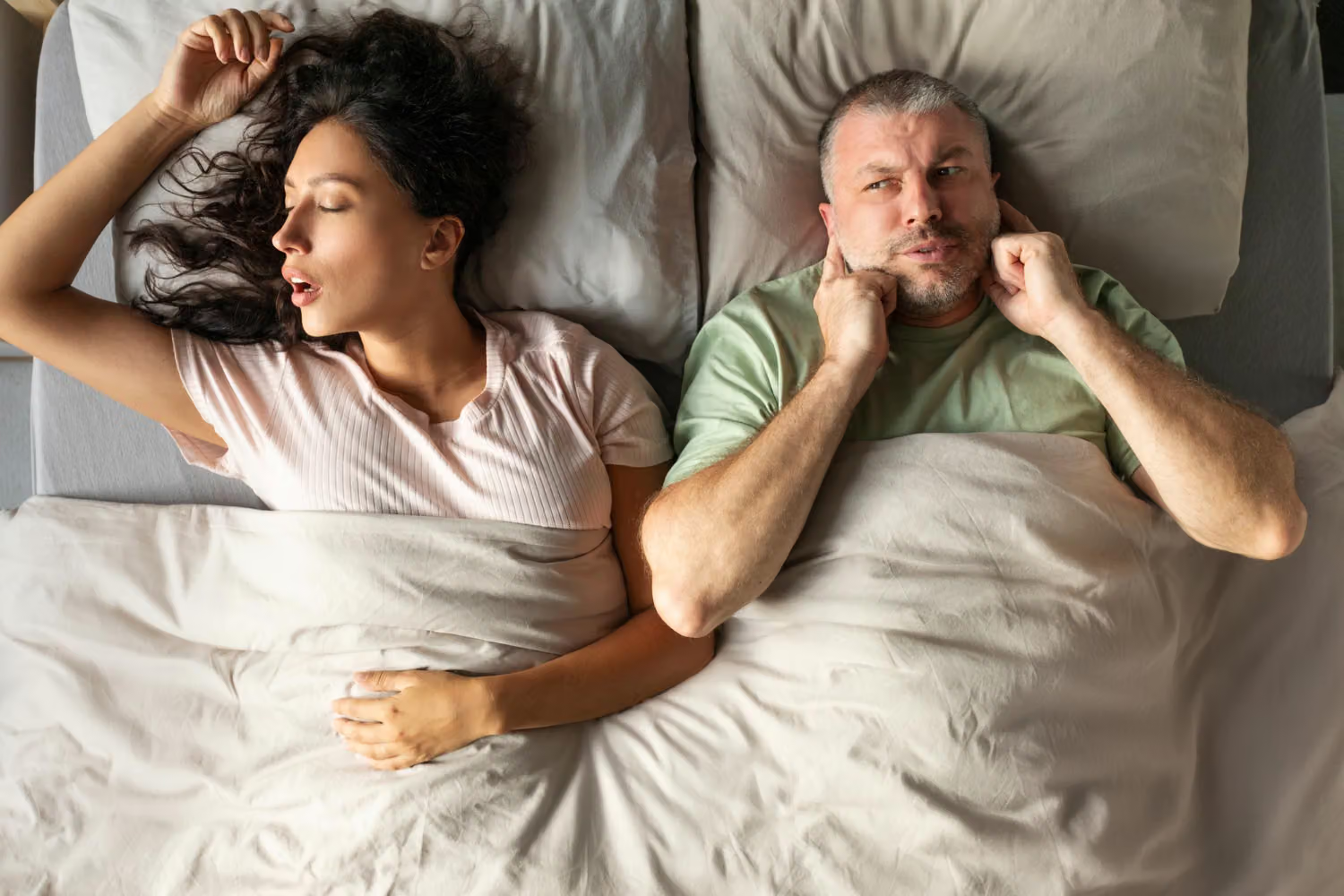
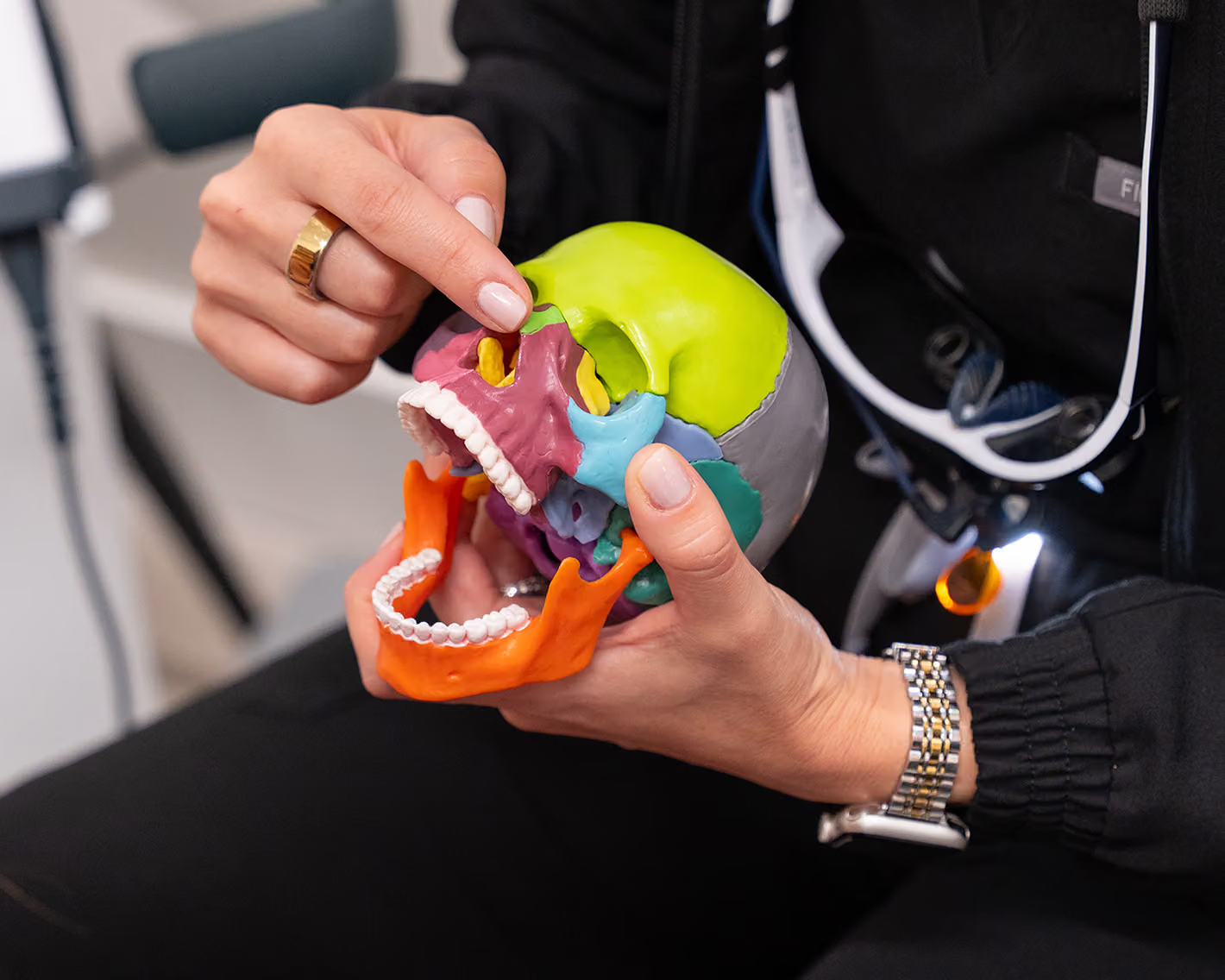
Snoring is often associated with the nose, but in many cases, it is also related to the position of the jaw and tongue during sleep. When the jaw relaxes, the tongue can fall backward and narrow the airway, creating the sound of snoring. As airway-focused dentists, we look at how the jaw, tongue, and airway are working together and use treatment options that help support a more open airway.
The Right Treatment Starts with the Right Diagnosis
Before recommending treatment, we screen for signs of sleep apnea so we understand what is happening during sleep. That allows us to choose the approach that best fits your symptoms, anatomy, and overall airway health.
Two Approaches to Reducing Snoring
We focus on the anatomy contributing to snoring and choose treatment based on what is causing the airway to narrow during sleep.
Oral Appliance Therapy
A custom-fitted device worn during sleep that gently supports the jaw in a forward position, helping keep the airway more open. This is often a good fit for patients who want a quiet, removable option without a mask or machine.
LightScalpel CO₂ Laser Treatment
A non-invasive treatment that uses gentle CO₂ laser energy to treat the soft tissues at the back of the throat. For the right patient, this can help reduce the vibration that causes snoring—without the need to wear a device at night.
Better sleep for you... and the person next to you.
For the Person Who Snores
Snoring often comes with a dry mouth, a sore throat, or waking up feeling groggy. Addressing the underlying airway restriction can improve sleep quality and support more consistent, restorative rest.
For the Bed Partner
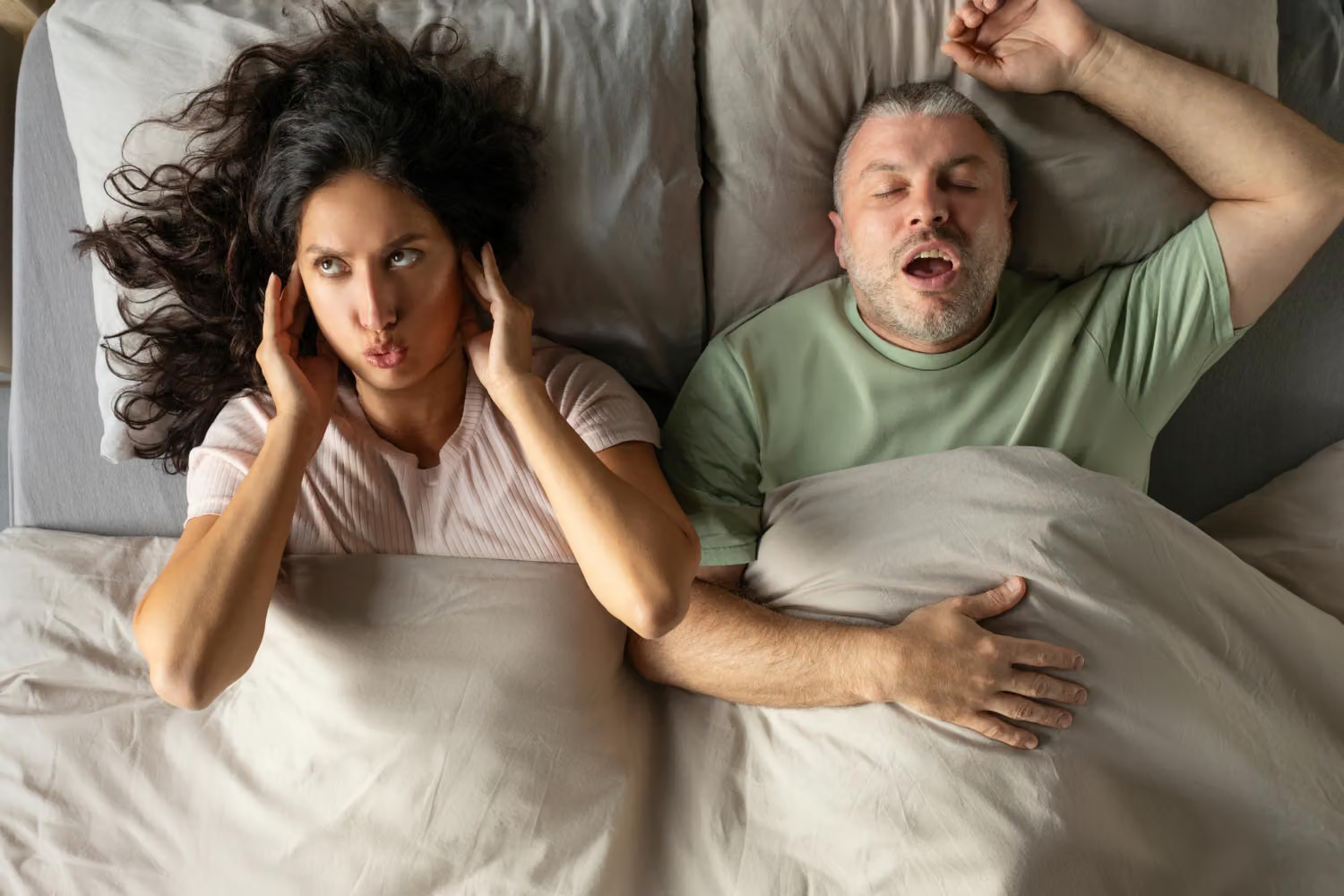
If you’re relying on earplugs, nudging your partner awake, or moving to another room just to get rest, you’re not alone. Many partners feel caught between wanting better sleep and wanting their loved one to get the care they need. Treatment can help restore quieter nights and shared rest.
HOW IT WORKS
A Step-by-Step Approach to Snoring Relief
Initial Evaluation
We begin with a comprehensive airway exam and digital imaging to better understand how your jaw, tongue, and airway may be contributing to snoring.
Screening for Sleep Apnea
If indicated, we use a simple home sleep test to determine whether sleep apnea may be part of the picture. This helps us choose the right treatment approach from the start.
Custom Treatment
Based on your anatomy and diagnosis, we recommend the most appropriate option — whether that is a custom oral appliance or LightScalpel CO₂ laser treatment.
Follow-Up and Ongoing Care
We monitor your progress, make adjustments when needed, and support long-term improvements in sleep quality and comfort.
What to Expect
Non-Invasive
Both treatment options are non-invasive. Laser treatment is typically experienced as a gentle warming sensation, while oral appliances are custom-made for comfort.
Thoughtful Care
We screen for sleep apnea before treatment begins so we can make sure we are treating the right issue in the right way.
Fast Results
Oral appliances can begin helping right away, while laser treatment is completed over a series of short visits with gradual improvement over time.
ASK THE EXPERTS
Frequently Asked Questions
Why should I see a dentist for snoring instead of a doctor?
Because snoring is usually an anatomical issue, not a lung issue. The noise is caused by the tongue falling back or the jaw being too narrow. As airway dentists, we specialize in positioning the jaw to keep the airway open naturally without surgery.
Can I just buy a mouthpiece online?
We strongly advise against it. Over-the-counter mouthpieces may seem convenient, but they are not designed around your anatomy or diagnosis. A custom oral appliance is made to fit your bite more precisely and is monitored over time to help reduce the risk of jaw discomfort or unintended bite shifts.
How does LightScalpel work?
LightScalpel uses CO₂ laser energy to treat the soft tissues at the back of the throat. For the right patient, this can help reduce the vibration that causes snoring and support a quieter airway during sleep.
Is snoring always a sign of sleep apnea?
Not always, but it is the biggest red flag. Snoring is the sound of a narrow airway; apnea is when it closes completely. We help you distinguish between the two.