PEDIATRIC CARE
The Toothpillow® System
A gentler way to help children stop the habit—and support healthier growth.
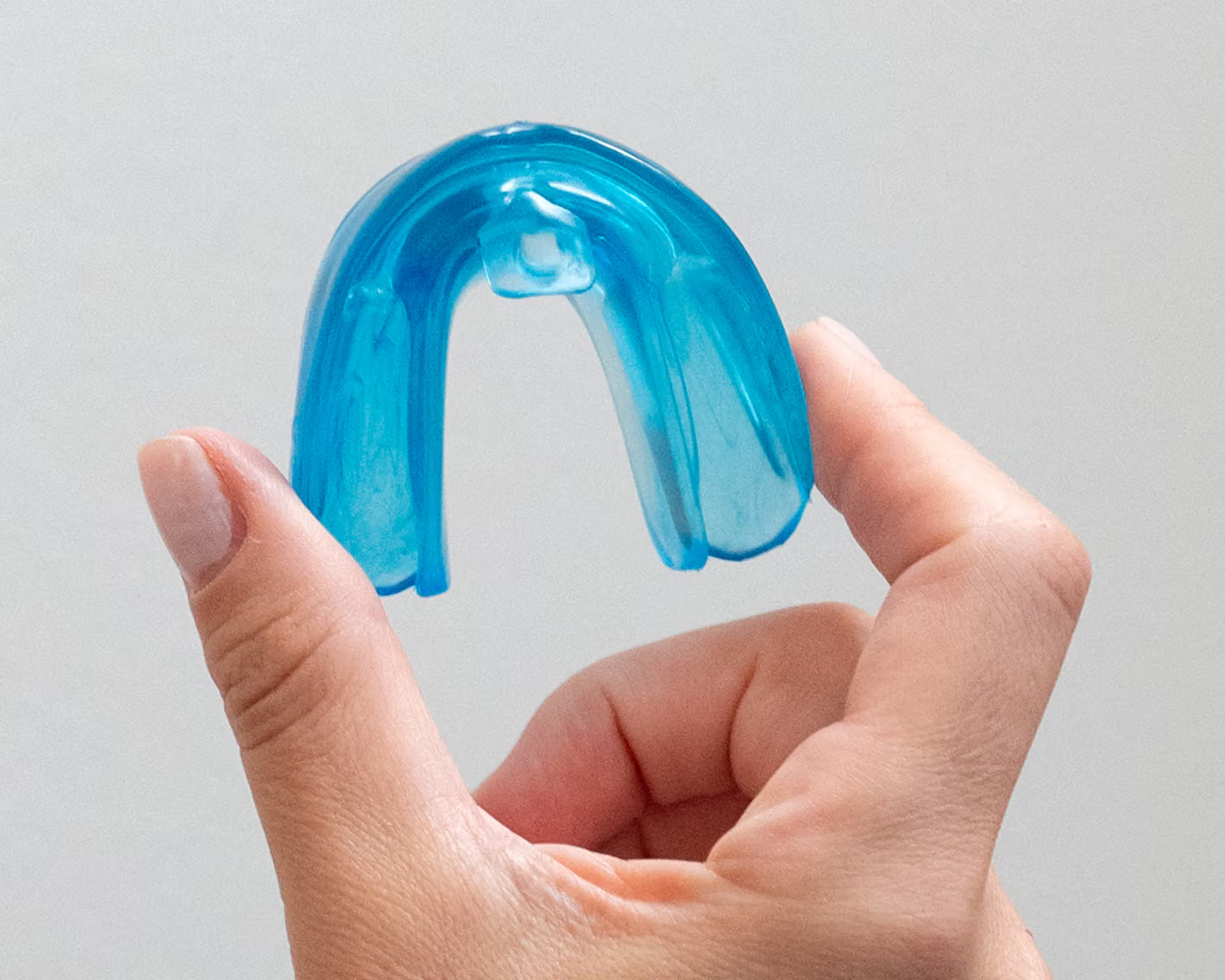
The Toothpillow® System is a soft oral appliance we use to help children move away from thumb-sucking or pacifier habits while also supporting better tongue posture, breathing, and jaw development. At The Airway Dentists, we use it as part of a broader early growth and airway evaluation, so we can understand not just the habit itself, but what may be driving it.
Why “Just Stop” Doesn’t Always Work
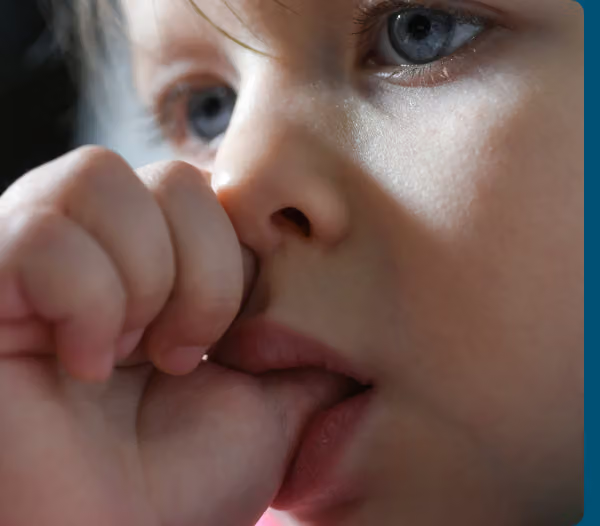
For some children, thumb-sucking or pacifier use is more than a habit. It can be connected to how they breathe, rest their tongue, or use their mouth for comfort.
That is why the pattern often returns during sleep or stress. To create lasting change, we look at what may be contributing to it in the first place.
How the Toothpillow® System Helps
The Toothpillow® is worn mainly at night, with short periods of daytime use at home. It is designed to support the oral patterns that influence growth.
Reduces Inward Pressure
By easing the pressure from the cheeks and lips, it can help create a better environment for healthy arch development.
Supports Tongue Posture
It encourages the tongue to rest on the roof of the mouth, where it can better support growth and function.
Encourages Nasal Breathing
Better tongue posture can help support more consistent nasal breathing, which plays an important role in sleep and development.
THE WARNING SIGNS OF HABIT-RELATED GROWTH ISSUES
When thumb-sucking, pacifier use, and oral habits begin to affect breathing or jaw development, these are some of the signs parents may notice.
Habit Patterns
- Thumb or finger sucking past age 3–4
- Pacifier use that is beginning to shift the front teeth
- Tongue thrust when swallowing or speaking
Growth and Breathing Signs
- Lips open at rest or during sleep
- Open bite, where the front teeth do not touch
- Restless sleep, bedwetting, snoring, or noisy breathing at night
These signs do not mean you’ve done anything wrong. They are often clues that your child’s muscles, breathing patterns, or jaw development may need support.
HOW IT WORKS
How the Toothpillow® System Is Used
Evaluation
We begin by looking at the full picture—teeth, jaw development, tongue posture, and breathing patterns—to understand what may be contributing to the habit.
Fitting
The Toothpillow® is selected based on your child’s measurements and growth stage, then fitted for comfort. No messy impressions are needed.
Daily Wear
Most children wear the Toothpillow® while sleeping and for a short period during the day at home. The routine is simple and designed to fit into everyday life.
Progress Over Time
As the habit fades, treatment continues long enough to support healthier muscle patterns, more stable growth, and better oral posture.
Benefits Beyond Habit Correction
The Toothpillow® System is used to do more than help stop the habit. It can also support the growth and function patterns that shape how a child breathes, sleeps, and develops.
- Supports jaw development: By reducing unhelpful pressure and supporting tongue posture, it can help create better conditions for healthy growth.
- Creates room for teeth: As the arches develop more naturally, there may be more space for adult teeth to come in.
- Encourages better breathing and sleep: Healthier tongue posture and nasal breathing can support more restful sleep over time.

What to Expect
Comfort
The Toothpillow® is soft and removable, so most children adjust to wearing it within a few days.
Steady Progress
Some changes may happen quickly, but we typically continue treatment for 6–12 months to support more stable growth and muscle patterns over time.
Early Guidance
We often recommend starting as early as age 3, while growth is still active and easier to guide.
ASK THE EXPERTS
Frequently Asked Questions
What age is the Toothpillow® System best for?
We often begin evaluating children around age 3, while growth is still active and easier to guide. The right timing depends on your child’s habits, jaw development, and overall airway picture.
Will it hurt?
No. The appliance is soft and removable, so it does not move teeth the way braces do. Most children adjust to wearing it quickly.
Does my child need to wear it at school?
Usually not. Most children wear it while sleeping and for a short period during the day at home, which is often enough to support the routine and the treatment goals.
What if my child only uses a pacifier at night?
Even nighttime use can affect growth, tongue posture, and the way the teeth come together over time. An evaluation can help determine whether support is needed.