AIRWAY SUPPORT
TMJ & TMD Treatment
Relief starts with understanding the cause
Jaw pain, clicking, and chronic headaches can be signs of strain within the jaw and surrounding muscles. In some cases, this tension is influenced by how the airway functions during sleep.
We look beyond symptom management. We evaluate jaw position and airway health to better understand what’s contributing to the issue, so treatment can support lasting relief.

Why Your Jaw Hurts
It’s Not Just Stress.
Teeth grinding (bruxism) and jaw pain are often blamed on stress alone. While stress can play a role, grinding can also be a physical response to restricted breathing during sleep.
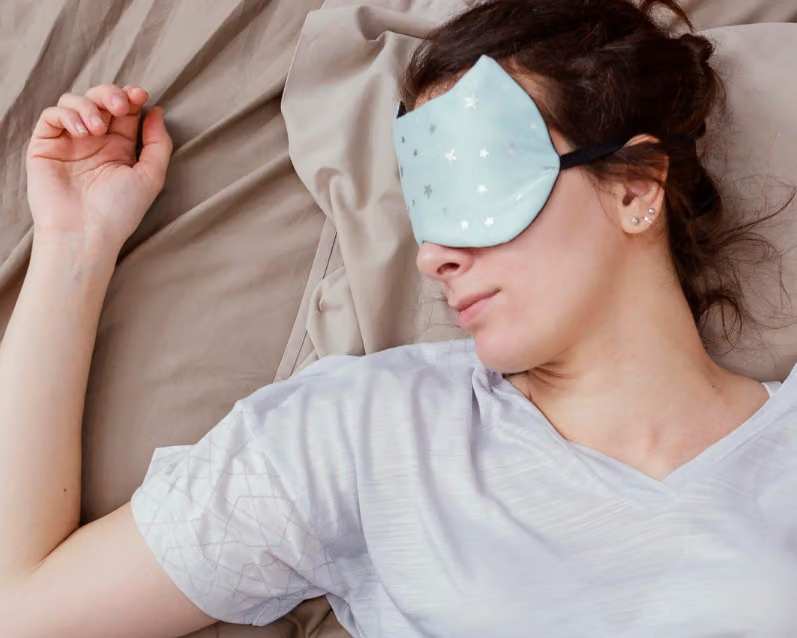
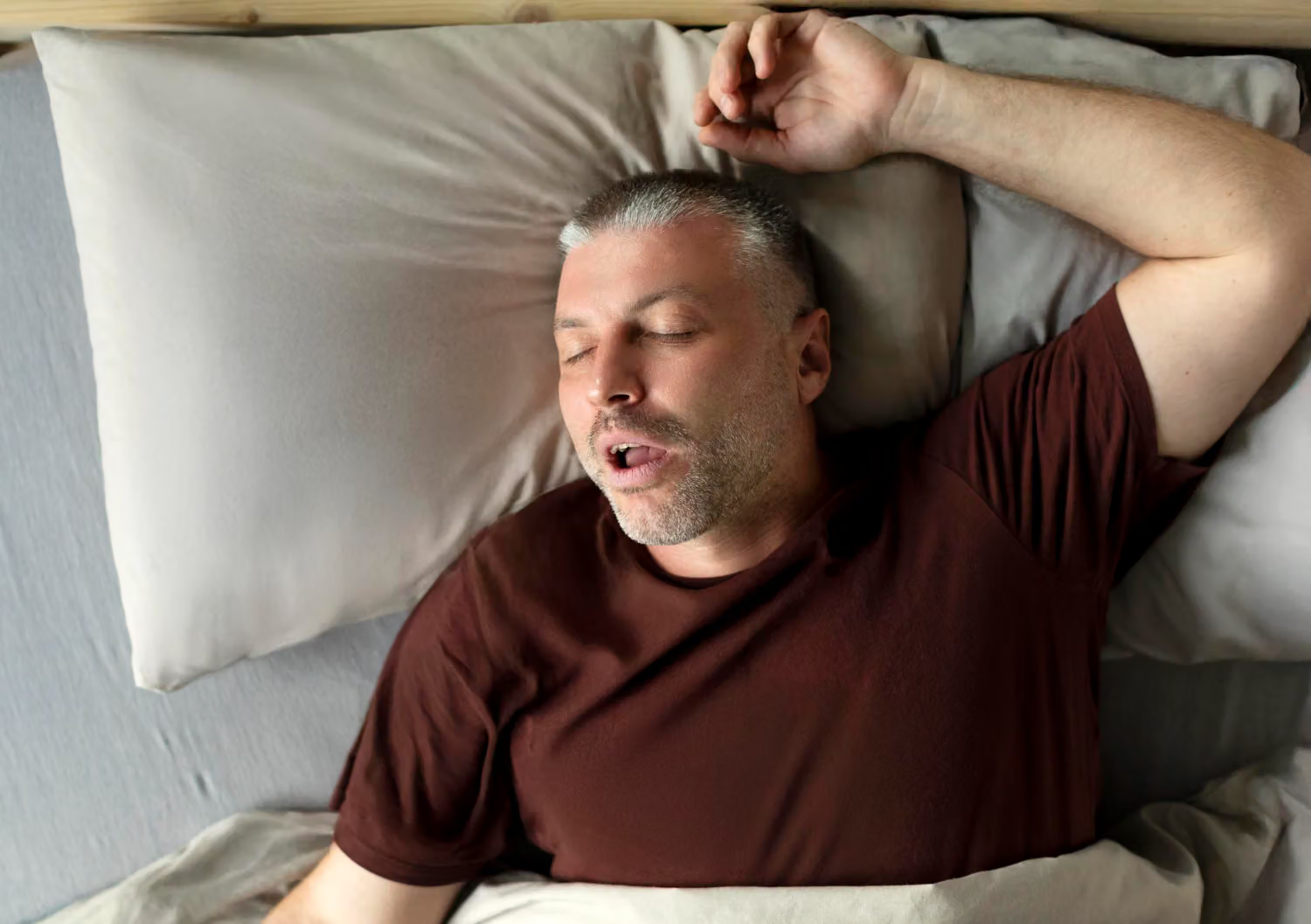
When the airway becomes restricted at night, the body may instinctively clench and shift the jaw forward to help maintain airflow. Over time, that repeated strain can affect the jaw joints, surrounding muscles, and the teeth themselves.
For some patients, TMJ symptoms are closely connected to sleep apnea or other forms of sleep-disordered breathing. That is why our evaluation looks at both the jaw and the airway from the start.
THE WARNING SIGNS OF JAW STRAIN
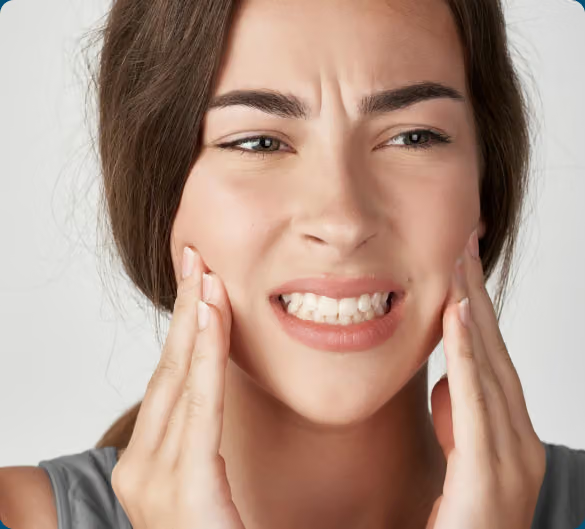
TMJ symptoms can show up as both physical discomfort and visible wear on the teeth.
Physical Discomfort
- Frequent headaches or migraines
- Soreness in the neck, shoulders, or jaw
- Clicking, popping, or locking when eating or yawning
Dental Wear
- Waking up with sore teeth or a tired jaw (bruxism)
- Teeth that appear worn, flattened, or chipped
- Sensitivity related to grinding or clenching
If these signs sound familiar, it may be time to take a closer look at what is driving the strain.
Treatment Paths for TMJ Relief
We tailor TMJ treatment to the source of the strain. For many patients, care begins with one of two primary approaches.
Oral Appliance Therapy
A custom-fitted oral device, also called a mandibular advancement device (MAD), is worn during sleep to gently support the lower jaw in a forward position. This can help keep the airway more open and reduce nighttime clenching and grinding.
Adult Arch Expansion
For patients with a narrow palate, we use removable expanders to gradually widen the dental arch. This creates more room for the tongue and helps the lower jaw rest in a more natural position, reducing pressure on the joints.
Supportive Therapies
Depending on your needs, treatment may also include therapies that improve function, stability, and long-term results.
Myofunctional Therapy
A form of physical therapy for the tongue and facial muscles that helps retrain proper resting posture and function. This can support long-term stability and reduce muscle tension.
Invisalign®
Once a more stable jaw position is established, Invisalign can be used to fine-tune tooth alignment and support a balanced, functional bite.
HOW IT WORKS
How Airway-Focused Treatment Supports TMJ Relief
When treatment reduces strain on the jaw and supports a more stable airway, patients often notice:
- Less Dental Wear: Reduced grinding can help limit damage to the teeth and lower the need for more extensive dental work over time.
- Reduced Tension and Headaches: Easing the load on the jaw can relieve the muscle tension that contributes to headaches and facial pain.
- More Restful Sleep: Supporting a more open airway can improve sleep quality and help you wake up feeling more refreshed.
HOW IT WORKS
Structural Solutions for Lasting Relief
Rather than relying on nightguards that only protect the teeth, our approach focuses on improving jaw position and supporting airway function. The goal is to reduce strain on the joints and muscles so they can function more comfortably over time.
Initial Evaluation
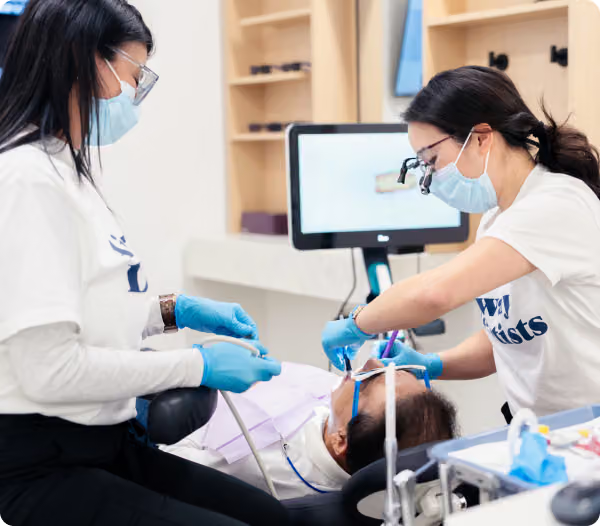
We begin with a comprehensive exam to evaluate jaw function, bite, muscle tension, and airway health.
Diagnosis
Using imaging and clinical findings, we identify what may be contributing to the strain, whether that involves jaw position, clenching, airway restriction, or bite imbalance.
Treatment Plan
Based on your symptoms and anatomy, we recommend the treatment path that best fits your needs, with supportive therapies added when helpful.
Follow-Up and Adjustment
We monitor progress, make adjustments as needed, and support long-term relief through continued care.
ASK THE EXPERTS
Frequently Asked Questions
Why does my jaw click when I eat?
The clicking sound is usually the small disc inside your jaw joint slipping out of place. This happens when the jaw is misaligned or under constant tension. While not always painful, it is a sign of dysfunction that should be evaluated.
Can I fix TMJ without surgery?
Yes. The vast majority of TMJ cases are muscular or skeletal issues that can be treated non-surgically with appliance therapy, expansion, and orthodontics. Surgery is a last resort and is rarely needed with our approach.
Do I need a referral?
No. You can schedule a consultation directly with us. We will perform a comprehensive exam, including 3D imaging, to evaluate your jaw joints and airway.