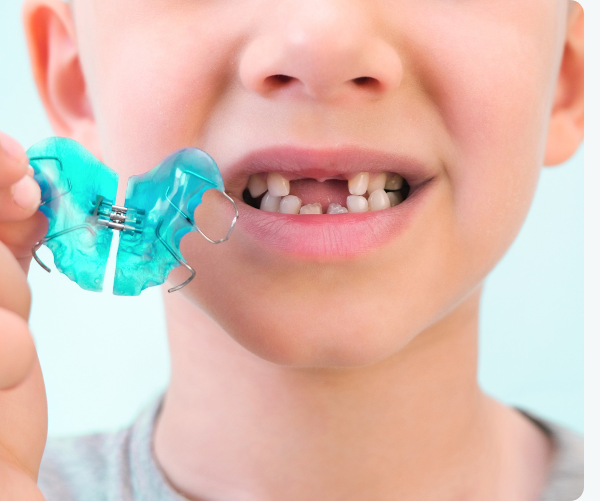
PEDIATRIC CARE
Myofunctional Therapy for Children
Supporting healthy breathing, eating, and development
Breathing, eating, and speaking are skills that develop over time. When the muscles of the mouth and face are not working as they should, it can affect how a child breathes, swallows, and grows.
Myofunctional therapy, often called “Myo,” uses targeted exercises to support better tongue posture, nasal breathing, and oral function. As part of your child’s airway assessment, we look at jaw development, oral tissues, and muscle function to determine whether therapy may help.
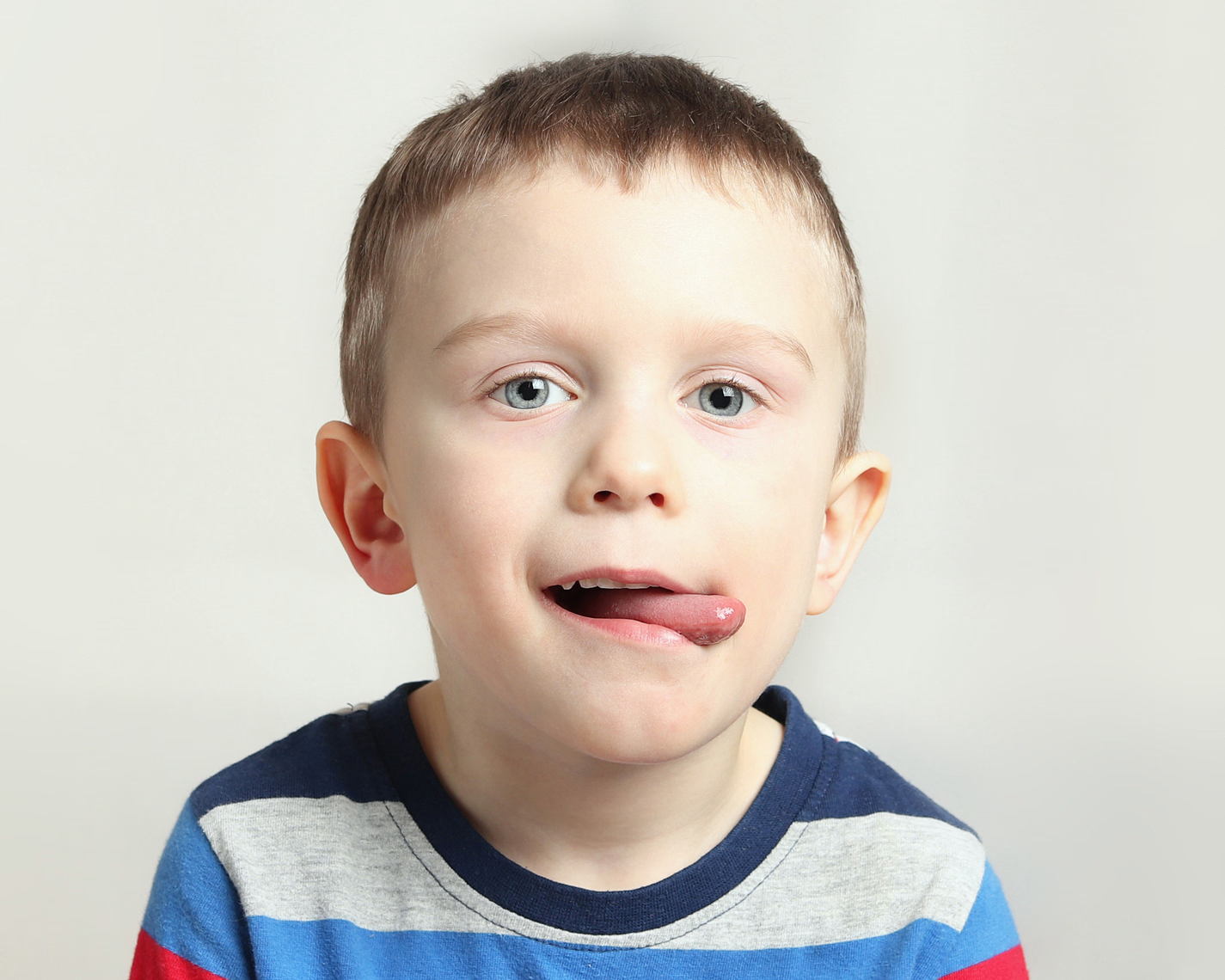
Why Myofunctional Therapy Matters
Healthy growth depends on more than teeth alone. The tongue, lips, and facial muscles help shape how a child breathes, swallows, and develops over time.
That is why myofunctional therapy plays an important role in airway-focused care. When those muscle patterns are not working well—whether because of oral habits, jaw development, or restricted tongue movement—therapy can help support healthier function and more stable growth.
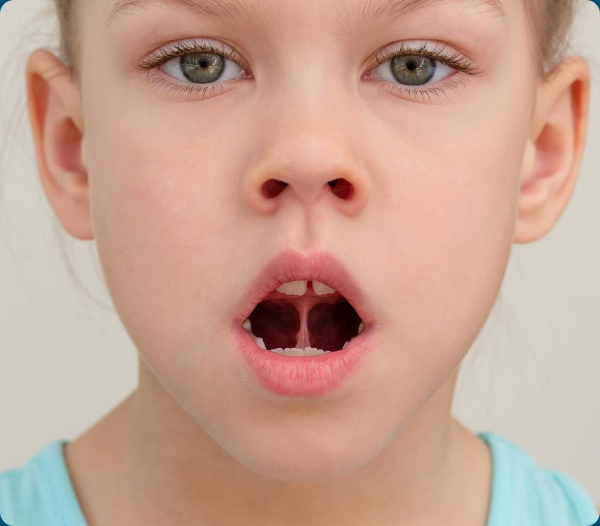
How Myofunctional Therapy Fits into Treatment
Tongue-tie release is one example of how Myo supports a larger treatment plan. When a frenectomy is needed, therapy helps prepare the tongue before the procedure and supports healing and function afterward.
Before the Procedure
Therapy begins ahead of the release to prepare the muscles and improve coordination. This helps the tongue respond more effectively once mobility is increased.
After the Procedure
Following the release, therapy focuses on retraining movement and function. This supports healing, helps maintain mobility, and reduces the risk of reattachment.
THE WARNING SIGNS OF ORAL FUNCTION ISSUES
When breathing, chewing, and swallowing are not developing as they should, the signs often show up in everyday routines.
Breathing and Resting Patterns
- Open-mouth posture: Lips often stay apart while resting, watching TV, or sleeping
- Mouth breathing: Nasal breathing does not seem to come easily
Chewing and Swallowing Patterns
- Difficulty chewing or swallowing: Trouble with textures, open-mouth chewing, or occasional gagging
- Forward tongue movement: The tongue pushes against the teeth during swallowing, which can affect alignment over time
When several of these signs begin to show up together, myofunctional therapy may be worth exploring.
HOW IT WORKS
How Therapy Fits Into Daily Life
We design therapy to fit into your child’s routine, with simple exercises and steady guidance.
The Assessment
Your myofunctional therapist evaluates your child’s breathing, swallowing patterns, and tongue posture to create a personalized plan.
Guided Exercises at Home
You’ll be taught simple, engaging exercises to practice at home. These are designed to hold a child’s attention and usually take just a few minutes each day.
Ongoing Check-Ins
Regular visits allow the therapist to monitor progress, adjust the exercises, and support continued improvement.
Building Lasting Habits
Over time, these exercises become natural patterns that support nasal breathing, proper tongue posture, and coordinated swallowing.
Benefits Beyond the Smile
Healthy sleep changes a child’s trajectory.
- Nasal Breathing: Encouraging the lips to stay closed supports nasal breathing, which helps maintain healthy oxygen levels during sleep and supports brain function and focus.
- Speech Clarity: Tongue strength and coordination can influence certain speech patterns, such as a lisp. Myofunctional therapy supports more precise movement and control.
- Orthodontic Stability: A strong tongue acts as a natural retainer. Teaching it to rest on the roof of the mouth helps support teeth alignment after braces or expansion.

ASK THE EXPERTS
Frequently Asked Questions
Why does my child need therapy just to breathe?
Breathing is a biological function, but how we breathe is a habit. If your child has chronic congestion or a tongue-tie, they likely developed a “mouth breathing” habit to compensate. Myo retrains the brain and body to return to the healthy, nasal breathing standard.
How long does the program last?
Every child is different, but most programs run for 6–12 months. Muscle memory takes time to build. Success depends heavily on doing the daily “homework” consistently.
Can we do this virtually?
While the daily exercises happen at home, we prefer in-office visits for the evaluations and check-ins. This allows our therapists to see exactly how the muscles are moving and make hands-on corrections to ensure your child is getting the most out of the therapy.