
Children’s Sleep & Airway Health
When It’s More Than a Phase
If your child wets the bed, struggles to focus, or snores, disrupted sleep may be part of the picture. We help families explore whether airway development and breathing patterns are contributing factors—so children can rest well and truly thrive.

ADHD and Airway Health: Is There a Connection?
Sleep challenges in children don’t always look like fatigue. Sometimes they show up as hyperactivity, impulsivity, or difficulty focusing.
There is growing research showing an overlap between Sleep-Disordered Breathing and attention-related symptoms in some children. When breathing is restricted at night, the brain may miss out on the deeper, restorative stages of sleep needed for steady mood, focus, and regulation the next day.
We don’t diagnose ADHD—and we don’t replace your child’s pediatrician. Our role is to evaluate whether airway structure and nighttime breathing could be contributing to what you’re seeing.
We Don't "Wait It Out."
We use proactive, non-invasive treatments to grow the airway and fix the root-cause of the struggle.
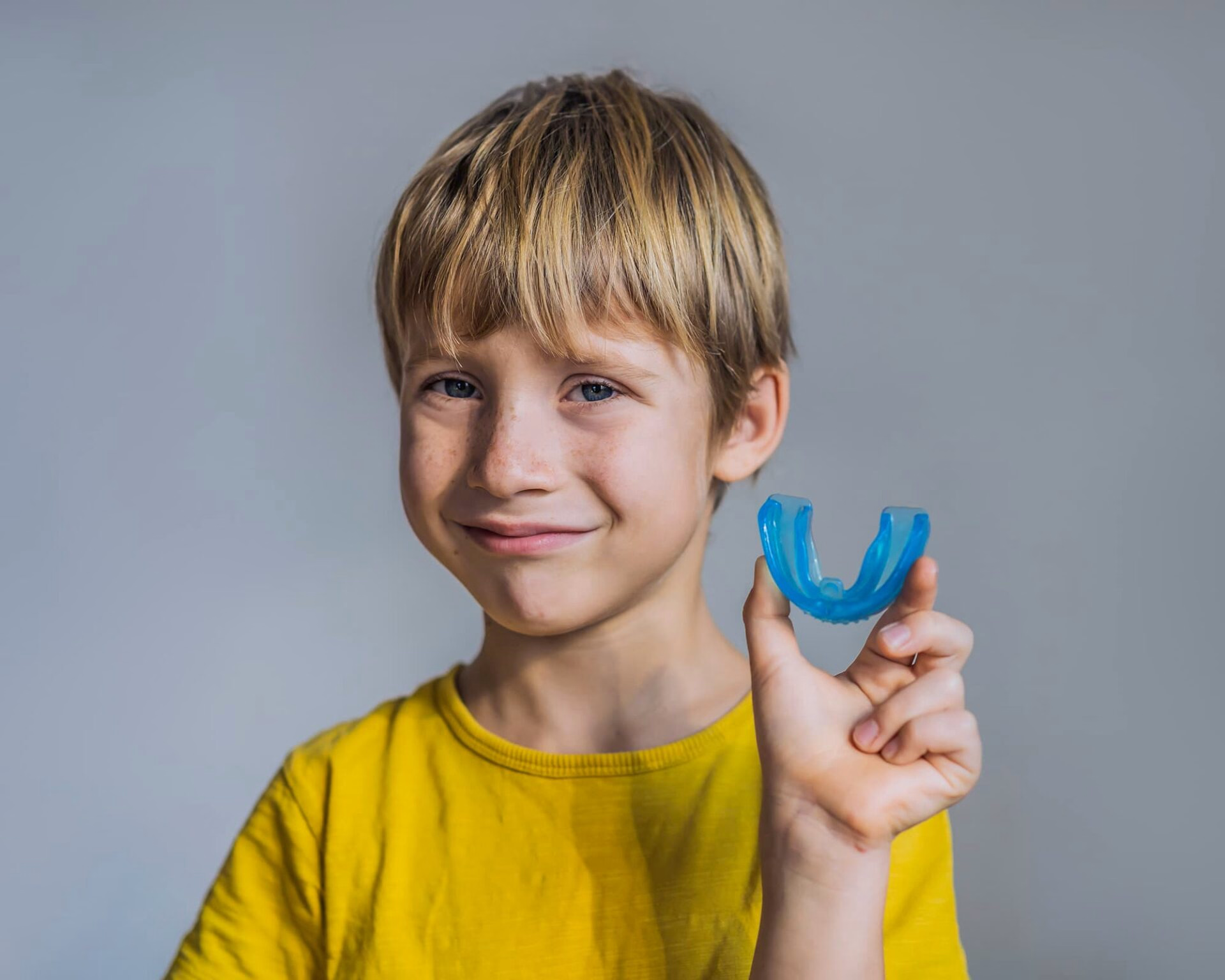
- Airway Orthodontics (Expansion): Custom oral appliances gently widen the dental arches, creating more space for the tongue and supporting healthy nasal airflow as your child grows.
- Myofunctional Therapy: Think of it as physical therapy for the tongue and facial muscles. This therapy helps retrain proper tongue posture and lip seal, supporting more natural breathing patterns.
- ENT Collaboration: In some cases, enlarged tonsils or adenoids may contribute to airway restriction. We assess tonsil size and, when appropriate, coordinate with trusted pediatric ENTs to ensure comprehensive care.

The Silent Red Flags
A child who breathes through their mouth (day or night) is developing a narrow face and a compromised airway. Open lips are a warning sign that the nasal passage is blocked or the tongue is weak.
If you hear your child grinding their teeth while sleeping, it’s not just a bad habit. It is a reflex. Their body is moving the jaw forward to open a collapsing airway.
If your child is potty trained during the day but wets the bed at night, it is rarely a bladder problem. It is often an airway problem. When oxygen drops, the brain panics and prevents the release of the hormone that controls the bladder.
The truth: It’s not their fault. It’s a sign they aren’t reaching deep sleep.
How We Help Them Thrive
The Screening
We perform a specialized pediatric exam to look for physical “red flags”—like tonsil size, tongue-ties, and wear on the teeth.
The Diagnosis
We treat based on data, not guesses. We may recommend a pediatric sleep study or collaborate with an allied health professional, such as an ENT to confirm the diagnosis.
The Treatment
We create a custom plan—whether it’s an oral appliance to widen the palate (Expansion) or therapy to strengthen the tongue (Myo).
The Growth
As the airway opens, we often see bedwetting stop, grades improve, and behavior stabilize.

Benefits of Healthy Sleep
When you fix the sleep, you change the child’s trajectory.
- Brain Development: A rested brain allows for better focus, memory retention, and emotional control.
- Physical Growth: Critical growth hormones are primarily released during deep, restorative sleep.
- Peace of mind: Finally solving the “mystery” behind your child’s bedwetting or behavior issues.
What to Expect
No Blame
Judgment-Free Zone
We know you are doing your best. We are here to provide answers and support, not to judge your parenting.
Team Approach
Medical Collaboration
We work closely with pediatricians, ENTs, and myofunctional therapists to ensure your child gets comprehensive care.
Comfort
Kid-Friendly Care
Our exams are gentle and non-invasive. We make the experience positive and empowering for the child.
Frequently Asked Questions
Will my child outgrow bedwetting or snoring?
Likely not. While they might stop wetting the bed eventually, the underlying airway issue often persists and morphs into other problems—like anxiety or adult sleep apnea. Treating it now changes their health trajectory.
How is ADHD linked to sleep?
Poor sleep mimics ADHD symptoms. When a child’s brain is starved of oxygen, the prefrontal cortex (which controls focus) struggles to function. Correcting the sleep issue often improves behavior.
At what age should I screen my child?
We recommend screening as early as age 3 or 4. The earlier we catch a growth issue, the easier it is to guide their development without complex orthodontics or surgery later.
Serving the Greater Houston and Austin Area
Houston Offices
Austin Offices
Related Services


Dental Insurance Accepted
Unsure about your coverage? Let us do the heavy lifting. We accept most major PPO plans and will verify your benefits for you before your first visit.










Help Them Reach Their Full Potential.
Don’t let a hidden airway issue hold your child back.