
Early Orthodontics (Phase I Treatment)
Starting Orthodontics in Their Teenage Years is Too Late. Guide Their Growth Now.
It can be confusing when you see your child’s teeth coming in crooked, only to be told, “just wait until they are older.”
In many cases, waiting means missing a key window for growth. When we evaluate children early, we can gently guide jaw development, protect the airway, and help them grow into a healthier smile.

We Don’t “Wait and See.” We “Predict and Prevent.”
By age 12, about 90% of your child’s facial growth has already occurred. Traditional orthodontics often waits until all permanent teeth have come in, around this same age. By then, parents may have spent years seeing crowding, bite issues, or breathing concerns gradually worsen—which can make treatment more complex and more costly.
We take a different approach. By working with patients as young as newborns, we leverage a child’s natural growth spurts to gently widen the jaws. We focus on the root cause—the skeletal structure—so there is plenty of room for teeth to come in straight naturally.
What Is Early Orthodontics (Phase I)?
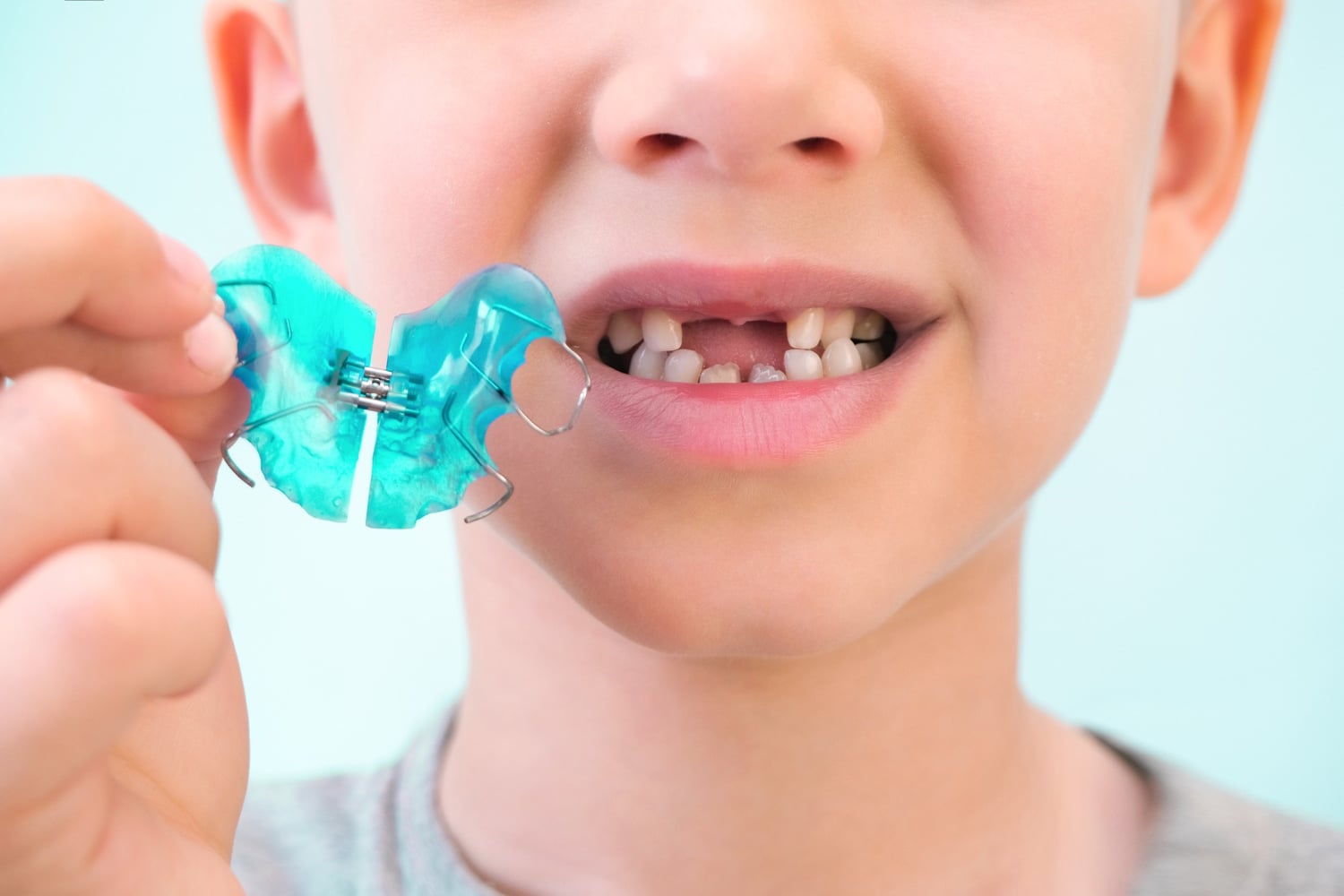
Phase I is a customized treatment plan that begins while your child still has a mix of baby and adult teeth. This phase is critical for developing sufficient bone structure to support a full set of adult teeth without crowding.
But the goal isn’t just cosmetic straightness; it’s about structural and functional development. We use specialized tools to expand the dental arches and correct bite issues such as crossbites and underbites.
We often see the most noticeable improvement in symptoms during this phase. Many children experience improved sleep, reduced mouth-breathing, and easier daytime focus. These improvements aren’t just side benefits—they’re signs that the airway is opening and the body is working better.

Why We Start Early
Traditional orthodontics and airway-focused care begin from different assumptions. Traditional timing often waits for permanent teeth to come in. The airway approach looks at growth, breathing, and facial development while change is still possible. Here’s a closer look at how they compare.
The Airway Approach
- Focus: Developing the jaw and airway.
- Timing: Starts early (ages 3–10) to guide active growth.
- Method: Expands the palate and lower jaw to create space.
- Result: A broad, healthy smile that supports better breathing and facial development.
Traditional Timing
- Focus: Fixing crooked teeth after the fact.
- Timing: Waits until 12+, missing the key facial growth window.
- Method: Extracts healthy adult teeth and pulls the jaw backward.
- Result: Straight teeth, but a compromised profile and restricted airway.
Tools Designed for Growing Smiles
The Importance of Lower Jaw Expansion
While some providers expand the upper jaw, few also expand the lower. We do both.
Our clinical experience shows that if you only widen the “lid” (the upper jaw) but leave the “box” (the lower jaw) small, the bite won’t fit and the upper expansion will inevitably relapse.
Expanding both the upper and lower jaw ensures the tongue has enough room to rest forward, which helps keep the airway open and makes the results more stable.
Invisalign® First
These are clear aligners designed specifically for growing children. They allow us to expand the arches and guide incoming adult teeth simultaneously, without the hygiene struggles of metal brackets and wires.
Toothpillow® System
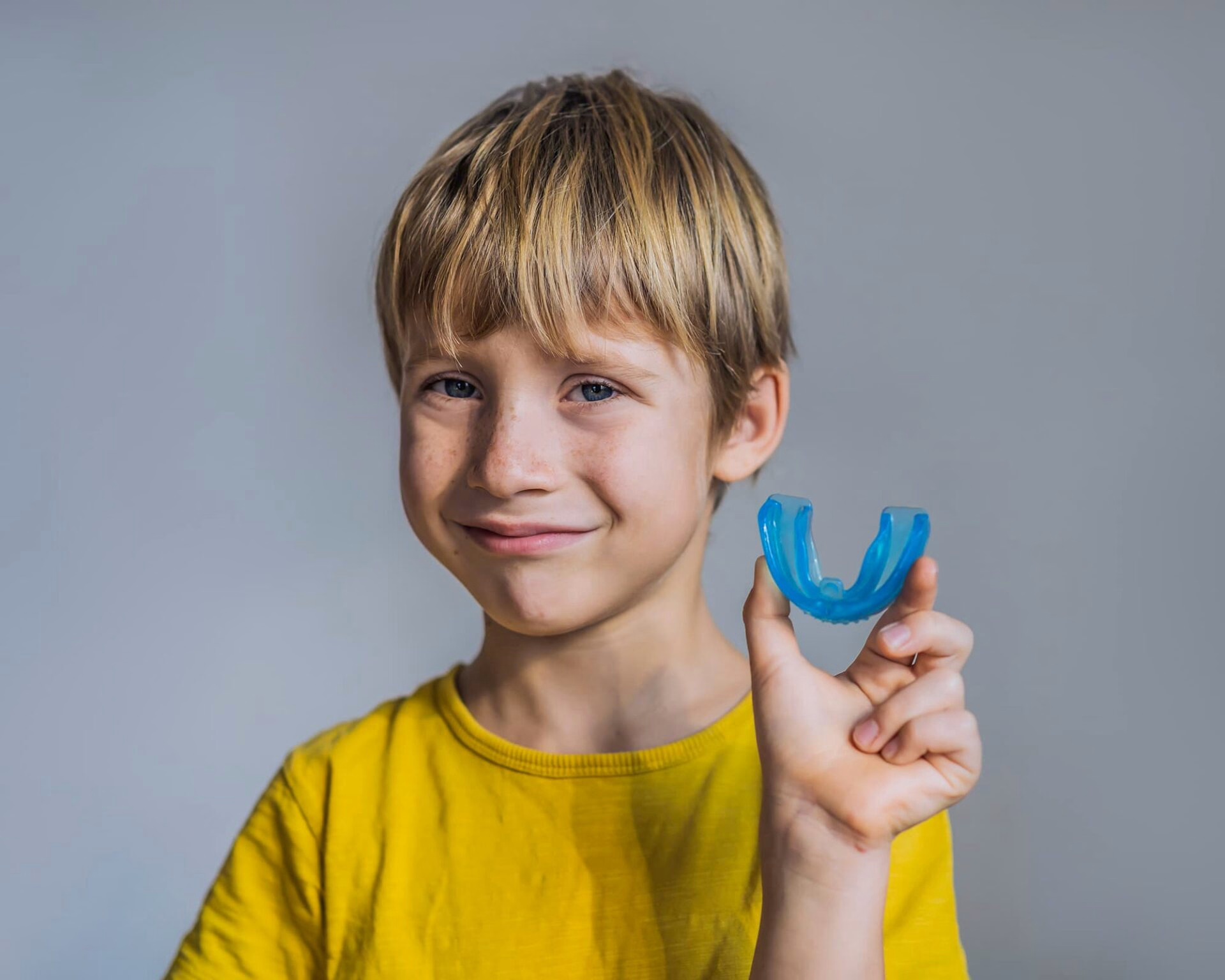
If a habit such as thumb-sucking or tongue-thrusting is affecting your child’s growth, we use soft, removable mouthpieces. These gently reduce inward pressure from the cheeks and lips and train the tongue to rest on the roof of the mouth, supporting healthy nasal breathing.
Fixed Expanders
We use fixed expanders to apply gentle, steady pressure, gradually widening the dental arches while a child is still growing. As the arches widen, the body naturally fills in new bone, helping the jaws grow into a healthier, more balanced shape.

When to Schedule a Screening
We recommend an initial airway and growth screening by age 3 or 4. You don’t need a referral to get answers. Look for these signs:
- Visible crowding: Baby teeth are touching or overlapping (healthy baby teeth should have gaps!).
- Mouth breathing: Lips remain open while watching TV or sleeping.
- Snoring: Any snoring in a child is a sign of airway resistance and should be evaluated.
- Bite issues: An underbite, crossbite, or teeth that don’t touch (open bite).
Does This Mean No Braces Later?
Phase I sets the foundation for a simpler future. While your child may still need a short round of braces or aligners in their teen years (Phase II) to fine-tune alignment, the heavy lifting is already done.
When a child has symptoms of sleep-disordered breathing and teeth that don’t fit within the arches, braces alone won’t solve the problem. That’s why, in these cases, we choose Phase I—it addresses both structure and symptoms at the source.
Understanding this distinction helps ensure your child receives the right treatment at the right time. When growth is guided early, we can often reduce the likelihood of future jaw surgery, permanent tooth extractions, or years of complex orthodontics.
Phase I develops the airway. Phase II perfects the smile.
Frequently Asked Questions
What is the best age to start?
While many orthodontists see children at age 7, we recommend screening for airway and growth issues by age 3 or 4. The earlier we identify a growth restriction, the easier it is to guide it gently while the bones are still soft.
Will the expander hurt my child?
Most children adapt very quickly. There may be minor pressure when the expander is adjusted, but it is generally not painful. Our fixed expanders are designed to be comfortable and hygienic.
Why do you treat the lower jaw when others don't?
If we only expand the top, the lower jaw can remain trapped or crowded. Expanding the lower arch ensures the tongue has room to rest properly, which is critical for keeping the airway open during sleep.
Serving the Greater Houston and Austin Area
Houston Offices
Austin Offices
Related Services

Dental Insurance Accepted
Unsure about your coverage? Let us do the heavy lifting. We accept most major PPO plans and will verify your benefits for you before your first visit.










Give Their Smile Room to Grow
You have a small window of time to influence your child’s facial development. Let’s make the most of it together.