
AIRWAY SUPPORT
Myofunctional Therapy
Helping the mouth and airway function the way they were designed to
Orofacial Myofunctional Therapy (or “Myo”) retrains the muscles of the tongue, lips, and face to support healthier breathing, swallowing, tongue posture, and long-term stability. It can be helpful for both children and adults, depending on how those muscle patterns are affecting growth, sleep, or orthodontic results.
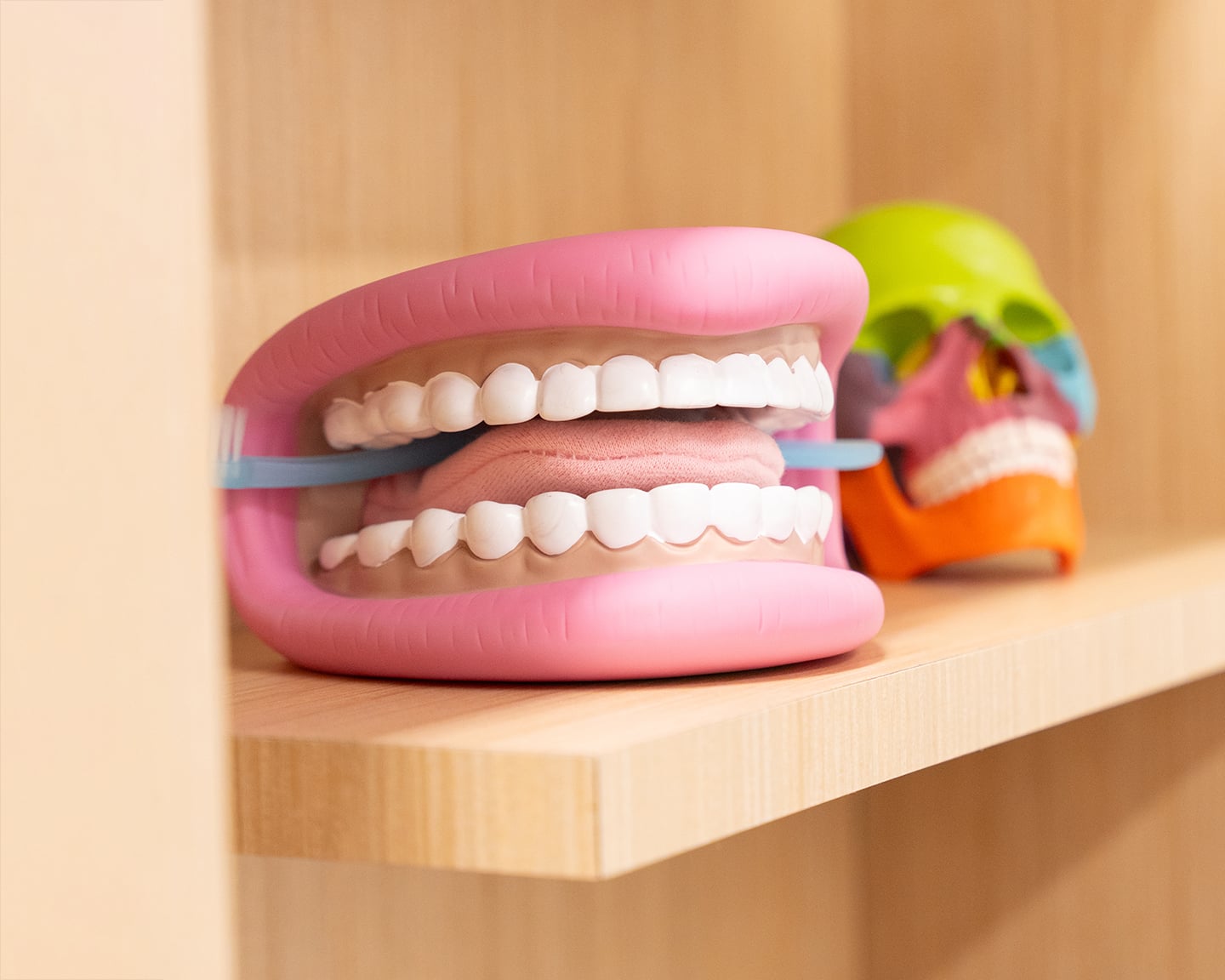
What Is Myofunctional Therapy?
You can think of Myo as physical therapy for the mouth and face. It uses targeted exercises to improve how the tongue, lips, and facial muscles work together.
That matters because these muscles influence more than speech or swallowing alone. They also affect nasal breathing, tongue posture, jaw development, sleep quality, and whether orthodontic results stay stable over time.
That is why myofunctional therapy has a place in airway-focused dental care. For some patients, it supports healthy growth. For others, it helps address relapse, tension, or breathing patterns that are getting in the way of lasting results.
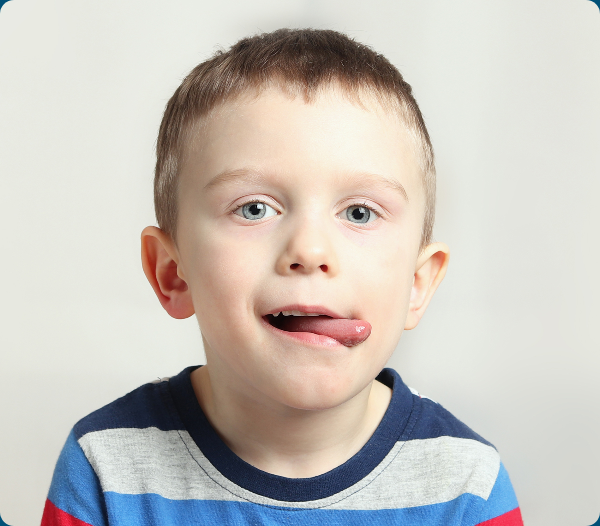
THE WARNING SIGNS OF ORAL FUNCTION ISSUES
The signs can look different in children, teens, and adults—but they often point back to the same muscle patterns.
Children
- Mouth breathing: Lips apart while resting or sleeping
- Chewing or swallowing difficulties: Trouble with textures, loud chewing, or lip smacking
- Speech concerns: A lisp or difficulty with certain sounds
- Sleep-related signs: Snoring, bedwetting, or restless sleep
Adults & Teens
- Orthodontic relapse: Teeth shifting after braces or retainer use
- Tongue thrust: Pushing the tongue forward against the teeth when swallowing
- TMJ and tension: Jaw clicking, facial pain, or neck tightness
- Sleep-related concerns: Snoring or mild sleep-disordered breathing
When several of these signs begin to show up together, myofunctional therapy may be worth exploring.
HOW IT WORKS
A Simple, Guided Process
The Assessment
We evaluate tongue function, lip seal, breathing patterns, and swallowing to better understand what may be contributing to the issue.
Personalized Exercises
Your therapist creates a plan based on the specific patterns and muscle habits that need support.
Daily Practice at Home
You’ll practice short, simple exercises at home each day to strengthen the tongue and support healthier breathing and swallowing habits.
Progress and Follow-Through
We meet regularly to check progress, adjust the plan when needed, and help new habits become more natural over time.
The Benefits of Myofunctional Therapy
Myofunctional therapy helps retrain the patterns behind breathing, swallowing, tongue posture, and long-term stability.
- Better breathing patterns: Exercises can support the habits that make nasal breathing easier to maintain.
- Healthier tongue posture: Therapy helps the tongue rest where it should instead of pushing against the teeth or sitting low in the mouth.
- More stable results: Better muscle patterns can help support orthodontic, airway, or tongue-tie treatment long after the visit is over.
- Reduced strain: For some patients, improved tongue posture and muscle function can also reduce tension in the jaw and face.

ASK THE EXPERTS
Frequently Asked Questions
Do I really need this if I have a retainer?
A retainer holds teeth in place, but it doesn’t stop the force pushing them out. If you have a strong tongue thrust or mouth breathing habit, it can eventually warp retainers or move teeth the moment you stop wearing them.
Is this just for kids?
No. While it is powerful for guiding growth in kids, adults frequently use Myofunctional Therapy to stop relapse, treat TMJ pain, and as a co-therapy for Sleep Apnea.
How much time does it take daily?
Success depends on frequency, not duration. We typically prescribe short daily routines that fit easily into a morning or bedtime schedule.